
Remote onboarding: integrate talent without losing legal compliance

Alejandro Martínez
Sora Team
Cumplimiento Laboral
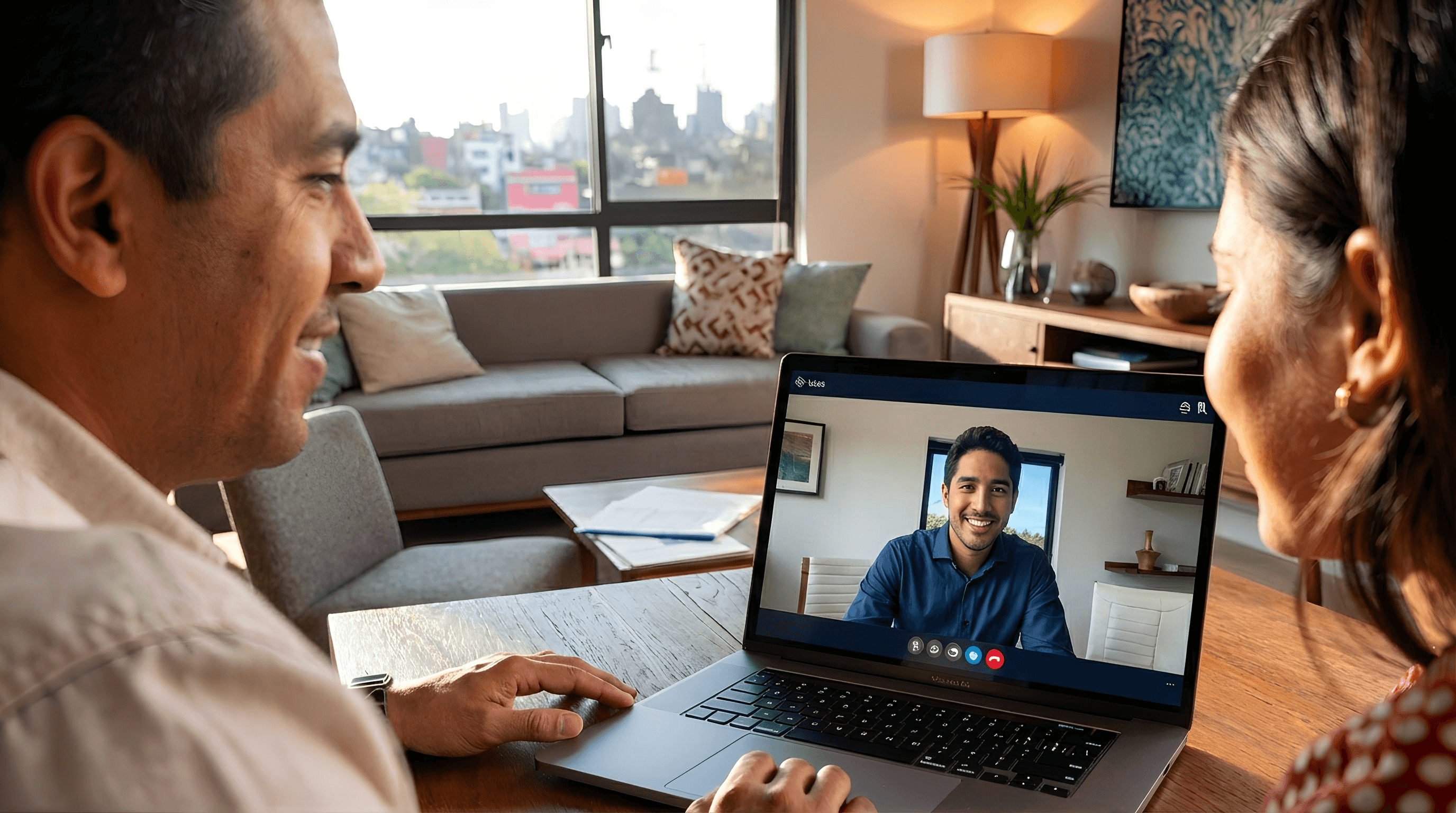
Remote work is no longer an exception. In 2026, for many companies, it is the norm. However, while the work model evolved rapidly, onboarding processes have not always kept up at the same pace.
Today, integrating a remote collaborator is no longer just a matter of experience or organizational culture: it is a legal and operational challenge that, if poorly managed, can result in non-compliance from day one.
The most common mistake: thinking that remote onboarding is just “sending documents”
Many companies confuse remote onboarding with sending:
A contract by email
A PDF checklist
A couple of welcome links
The problem is that this approach leaves out something critical: the legal evidence that the worker was correctly integrated, informed, and documented.
What a remote onboarding actually requires in 2026
Integrating remote employees implies complying with the same—or even greater—demands than face-to-face onboarding:
Verifiable identity of the worker
Contracts and documents signed with legal validity
Formal delivery of internal policies
Correct registration of working hours, modality, and conditions
Complete employee file from the start
If any of these elements fail, the risk does not appear immediately... it appears when there is an inspection or a labor dispute.
The human impact of poor remote onboarding
Beyond the legal risk, a poorly executed remote onboarding generates friction from day one:
Collaborators confused about their responsibilities.
A sense of disorder or improvisation.
Lack of clarity regarding rules, schedules, and rights.
An employee's first experience defines much of their future relationship with the company.
Compliance and experience are not at odds
Good remote onboarding achieves two things at the same time:
Legally protects the company
Provides certainty and trust to the collaborator
When processes are clear, automated, and well-documented, the worker understands that the company is serious, organized, and reliable, even from a distance.
The employee file begins at onboarding
One of the most costly mistakes is building the employee file “later.”
In reality, remote onboarding is the key moment that determines whether the file will be complete or become a future problem.
Contracts, policies, identifications, beneficiaries, and working conditions must be integrated from the start, not corrected months later.
When technology supports, rather than complicates
This is where solutions like Sora make a difference, not as a simple system, but as real support for people and teams:
Automated onboarding that guides the collaborator step by step.
Creation of the digital employee file from day one.
Electronic signatures with legal validity, without physical presence.
Clear evidence of acceptance, identity, and traceability.
Technology stops being an obstacle and becomes a smooth, human, and secure experience.
Integrating well today prevents problems tomorrow
Remote onboarding is not a passing trend, it is a new way of working.
Companies that manage it correctly not only comply with the law: they build healthier and longer-lasting labor relations, even at a distance.
In 2026, integrating well is no longer optional. It is part of compliance.


