
The evolution of the employee file throughout history

Anilú de Lachica
Sora Team
Transformación Digital
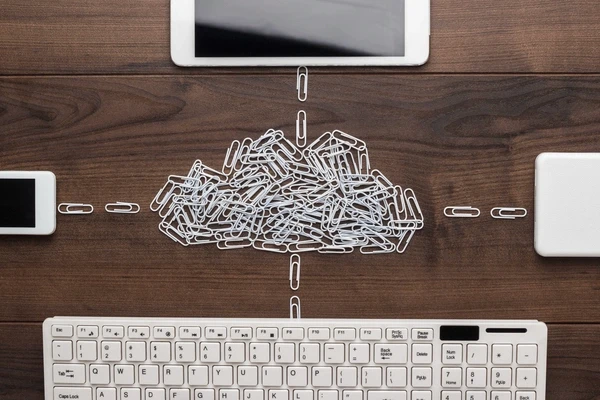
The employee file is a fundamental document in the workplace, where all data related to the professional experience of a worker in a company is recorded. From their start date, through promotions, evaluations and penalties, to their departure from the company, everything is recorded in this document. In this blog, we will talk about the history of the employee file and how it has evolved over time.
Origins of the employee file
The origins of the employee file date back to the Industrial Revolution, when factories began to need a record of workers entering the company to work. This record served to keep track of the hours worked, the salary to be paid and the working conditions.
However, at that time, the record was kept on sheets of paper or in accounting ledgers, so there was no employee file as such. The record was limited to basic data such as the worker's name, the position they held and the salary they received.
The modern employee file
The modern employee file began to be used in the 1950s, with the emergence of Social Security. The objective was to keep a more detailed record of workers' careers, including information on Social Security contributions, vacations and leave.
In the 1960s, the employee file became a more complex document, which included information on the employee's work history, performance evaluations and disciplinary sanctions. In addition, an computerized system began to be used to keep a more accurate and up-to-date record of the data.
In the 1980s, the employee file became a key document for personnel management in companies. The data included in the file was used to make decisions about the promotion of workers, the training they should receive and disciplinary sanctions in case of non-compliance with rules.
The employee file today
Currently, the employee file remains a fundamental document in personnel management in companies. However, it has evolved to adapt to changes in the world of work.
First of all, the employee file has been digitized, allowing for faster and more efficient access to data. In addition, new elements have been incorporated, such as skills-based performance evaluations, which allow for more precise tracking of worker performance.
Another important change is the inclusion of data related to the work-life balance of workers. In today's employee file, maternity and paternity leave, reduced working hours and flexible schedules are recorded.
Finally, the protection of personal data has become a fundamental aspect in the management of the employee file. Companies must guarantee the privacy of workers' data and comply with personal data protection regulations.
In conclusion, the employee file is a fundamental document in the workplace, which has evolved over time to adapt to changes in the world of work and the needs of companies. From its origin as a simple record of hours worked and wages received, it has evolved into a more complete and complex document, in which data such as work history, performance evaluations and disciplinary sanctions are recorded.
Today, the employee file has been digitized and new elements related to the work-life balance of workers have been incorporated. In addition, the protection of personal data has become a fundamental aspect in the management of the employee file. In short, the employee file is a key document for personnel management in companies, which allows for keeping an accurate and updated record of data related to the career path of workers. Its evolution over time reflects the importance it has acquired in the world of work and its adaptation to changes in society and the business environment.


